Lipedema Surgery

In Atlanta

Introduction

Lipedema Surgery in Atlanta, GA

Individualized lipedema reduction surgery and body contouring for patients in Atlanta and across the United States.

If your legs or arms seem disproportionately large compared with the rest of your body—and you experience tenderness, heaviness, or easy bruising—you may be living with lipedema. Many people spend years searching for an explanation for these symptoms.

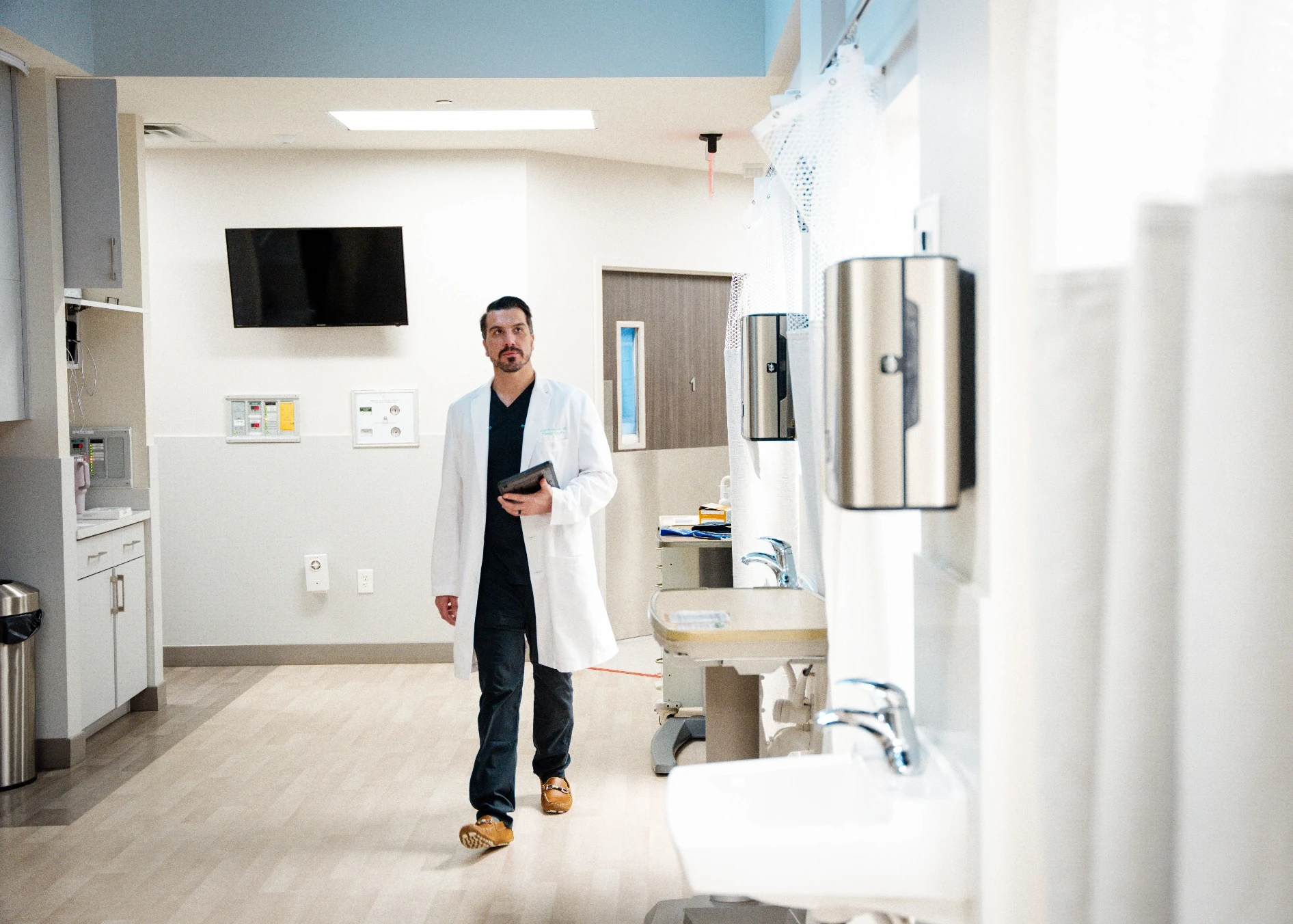
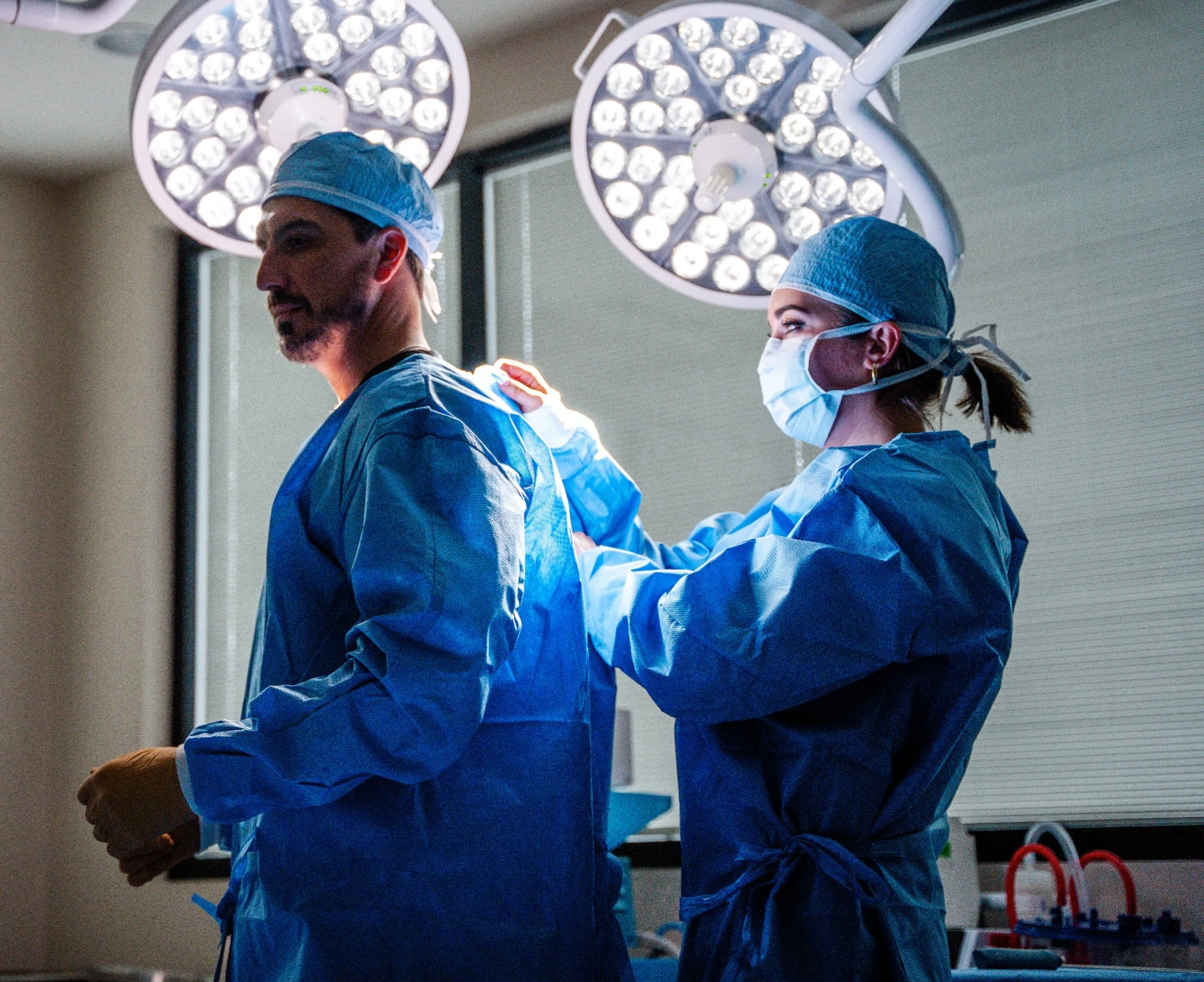
At Arslanian Plastic Surgery in Brookhaven, near Atlanta, double board-certified plastic surgeon Dr. Brian Arslanian evaluates patients with suspected or diagnosed lipedema and develops individualized surgical plans. His approach combines extensive experience in liposuction with expertise in arm lifts, thigh lifts, and complex body contouring when excess skin also needs to be addressed.

Patients from Georgia and other states may request an initial remote consultation to discuss their concerns and possible next steps.




woman wearing lingere | Arslanian Plastic Surgery Atlanta

What Is Lipedema?

Lipedema is a chronic condition characterized by disproportionate accumulation of subcutaneous fatty tissue, most commonly in the legs, hips, and buttocks, and sometimes in the arms. It occurs predominantly in women and may become noticeable or change around hormonal transitions such as puberty, pregnancy, or menopause.

The affected areas are often painful or sensitive to pressure. Some patients experience easy bruising, heaviness, and difficulty with mobility. The feet and hands are often relatively spared, although presentations vary. Lipedema can occur alongside obesity or lymphedema, making careful evaluation important.

Weight loss and exercise can improve overall health and may reduce limb size, especially when excess weight is also present. However, some patients continue to have disproportionate extremity enlargement despite significant weight loss.

Signs and Symptoms of Lipedema

  • Disproportionate enlargement of the legs, hips, buttocks, or arms
  • Generally bilateral distribution of affected tissue
  • Pain, tenderness, pressure sensitivity, or a sense of heaviness
  • Easy bruising in affected areas
  • A visible change in contour near the ankles or wrists, with relative sparing of feet or hands
  • Persistent disproportion despite weight changes
  • Discomfort or functional difficulty with walking, standing, or daily activities

Not every patient has every symptom. Diagnosis is based primarily on clinical history and physical examination; there is no single blood test or imaging study that confirms lipedema.

Lipedema vs. Lymphedema, Obesity, and Cellulite

Lipedema

Typically involves disproportionate fatty tissue in both legs and sometimes the arms, often with tenderness or discomfort. Feet are commonly spared.

Lymphedema

Involves impaired lymphatic drainage and swelling. It may be asymmetric and can affect the feet or hands. Lipedema and lymphedema can coexist.

Obesity

Involves excess adipose tissue that may be more generalized. Obesity and lipedema are distinct conditions but frequently coexist; neither diagnosis should be assumed from body shape alone.

Cellulite

Describes a common dimpled skin appearance, not the same chronic painful fat-distribution condition as lipedema.

woman sitting showing off her legs | Arslanian Plastic Surgery Atlanta

Stages of Lipedema

Lipedema is commonly described using three morphological stages based on skin appearance and underlying tissue changes:

  • Stage 1: Skin may appear smooth despite thickening or small nodules beneath the surface.
  • Stage 2: Skin becomes more uneven or dimpled, with more pronounced tissue nodularity.
  • Stage 3: Larger tissue folds or lobules may develop, particularly around the thighs and knees.

Some older descriptions refer to lipedema with coexisting lymphedema as “Stage 4.” More recent approaches discuss this separately as lipolymphedema. Importantly, appearance-based stage does not necessarily reflect pain, functional limitation, or whether surgery is appropriate.

How Is Lipedema Treated?

Treatment begins with understanding symptoms, functional limitations, medical history, and the patient’s goals. Nonoperative management may include properly fitted compression, individualized exercise, nutritional and weight-management support when appropriate, and selected physical or decongestive therapies. These measures may improve comfort and function, even though they do not surgically remove affected fatty tissue.

For selected patients whose symptoms remain burdensome, lipedema reduction surgery may be considered as part of a broader management plan. Surgery is not a cure for lipedema, and ongoing care may still be necessary.

Lipedema Reduction Surgery vs. Cosmetic Liposuction

Traditional cosmetic liposuction primarily aims to change body contour. Lipedema reduction surgery is considered in the context of a chronic condition, with symptom relief and functional improvement among its principal goals. The evaluation may be more extensive, the treatment may involve larger or multiple regions, and ongoing compression or other supportive care may be part of the plan.

Although improved contour may be an additional benefit, no specific cosmetic or symptom outcome can be guaranteed.

Dr. Arslanian’s Approach to Lipedema Surgery

Comprehensive Evaluation

Dr. Arslanian reviews the pattern of tissue enlargement, pain and other symptoms, prior treatments, medical conditions, skin quality, and functional concerns. The goal is to determine whether the findings are consistent with lipedema and whether surgical treatment is appropriate.

Carefully Planned Lipedema Reduction

Lipedema reduction surgery uses liposuction to decrease affected subcutaneous tissue. Surgical planning emphasizes thoughtful treatment of the involved areas and precautions intended to minimize injury to nearby structures, including lymphatic vessels. No surgical technique eliminates all risk of lymphatic injury.

Staged Procedures When Appropriate

When large areas or multiple regions require treatment, Dr. Arslanian may recommend separate operations. The number, order, and timing of procedures depend on the patient’s anatomy, health, goals, and recovery. A staged approach can help manage the extent of each operation.

Expertise Beyond Liposuction

Some patients have substantial loose skin after tissue reduction, particularly after major weight loss or with advanced tissue changes. Dr. Arslanian’s body contouring experience allows him to evaluate whether a thigh lift, arm lift, or another skin-removal procedure may be beneficial after appropriate healing. These operations are not necessary for every patient and may have different insurance coverage considerations.

Who May Be a Candidate?

  • Patients with a clinical diagnosis of lipedema or findings strongly suggestive of it
  • Patients experiencing persistent pain, heaviness, pressure sensitivity, or functional limitations
  • Patients who have tried appropriate conservative measures without sufficient relief
  • Patients whose overall medical condition makes surgery reasonably safe
  • Patients who understand that surgery is not curative and that multiple procedures or ongoing care may be needed

Weight stability, smoking or nicotine use, coexisting obesity, venous or lymphatic disease, and other medical factors are considered individually. A consultation does not guarantee a recommendation for surgery.

Potential Benefits and Limitations

For appropriately selected patients, lipedema reduction surgery may lessen pain or tenderness, reduce limb volume and heaviness, improve mobility, and make daily activities or clothing fit more comfortably. Studies report improvements in many patients, but the strength of evidence and long-term comparative data remain limited. Results vary, symptoms can persist or recur, and additional treatment may be required.

First Steps

How to Begin Your Lipedema Consultation

hello gorgeous interior | Arslanian Plastic Surgery Atlanta Before & After Plastic Surgery Results | male procedure
  • Contact our office to request an in-person or initial remote consultation.
  • Share relevant medical history, prior diagnosis or treatment records, and photographs as requested.
  • Discuss symptoms, functional limitations, previous conservative care, and personal goals.
  • Review whether surgery is appropriate, what areas may be treated, and whether multiple stages may be needed.
  • Receive an individualized discussion of recovery, estimated costs, and next steps.

Preparing for Lipedema Surgery

Preparation may include medical clearance or laboratory testing, a review of medications and supplements, a nicotine cessation plan, arrangements for postoperative assistance, and obtaining recommended compression garments. Do not stop prescribed medications unless instructed by your treating clinician. Patients traveling to Atlanta should plan sufficient local recovery time and a safe return trip.

Traveling to Atlanta for Lipedema Surgery

Arslanian Plastic Surgery welcomes inquiries from patients outside Georgia, including those traveling from other parts of the United States. For patients who live farther away, an initial remote consultation may help review symptoms, photographs, prior records, and whether an in-person evaluation is warranted.

If surgery is recommended, our team can discuss anticipated visits, surgical staging, recovery time in the Atlanta area, and the importance of having a responsible support person after surgery. Travel arrangements and return-home timing should be based on the specific operation and medical clearance, not a fixed schedule.

Patients traveling from out of state may also need coordination with their local physicians or therapists for ongoing compression, rehabilitation, wound checks, or other postoperative needs. Final surgical planning requires appropriate in-person assessment.


What to Expect During Surgery

The operative plan is individualized. Before surgery, treatment areas are reviewed and marked. Liposuction is generally performed using tumescent infiltration and techniques selected for the patient’s anatomy and surgical goals. Anesthesia, operative duration, anticipated tissue removal, and the need for observation or an overnight stay depend on the scope of treatment and the patient’s medical circumstances.

Procedures are planned with attention to fluid balance, blood loss, venous thromboembolism risk, and postoperative mobility. Dr. Arslanian will discuss the specific safety plan during the preoperative process.

Recovery After Lipedema Surgery

Recovery varies considerably between a limited procedure and extensive bilateral leg treatment. Swelling, bruising, drainage from small incisions, and soreness are common early on. Patients are generally encouraged to begin safe, gentle walking as instructed and to use prescribed compression when appropriate.

Return to desk work may take approximately one to two weeks for some patients, while larger operations may require more time. More strenuous activity is resumed according to individual healing and surgical clearance. Swelling and contour changes can continue to improve for several months, sometimes up to a year.

Potential complications include bleeding, infection, anemia, fluid shifts, blood clots, prolonged swelling, contour irregularities, sensory changes, skin healing problems, and lymphatic injury. Specific risks are reviewed before surgery.

girl showing off her butt | Arslanian Plastic Surgery Atlanta

Combining Lipedema Surgery With Body Contouring

Thigh Lift

After reduction of affected thigh tissue, some patients may benefit from removal of excess skin along the inner thigh or other regions. Timing and incision design are individualized.

Arm Lift

For patients with arm involvement and significant laxity, an arm lift may be considered in conjunction with or after liposuction, depending on the treatment plan.

Body Contouring After Weight Loss

Patients with substantial prior weight loss may have skin laxity beyond the extremities. Dr. Arslanian can evaluate these concerns and discuss whether additional contouring procedures should be addressed separately.

Lipedema Cost

How Much Does Lipedema Surgery Cost?

The total cost depends on the extent of the areas treated, number of operations, anesthesia, facility charges, and any additional procedures. After consultation and surgical planning, our team can provide an individualized estimate. Financing options may be available through Cherry, CareCredit, and Alphaeon; eligibility and terms vary.

Doctor Arslanian | Arslanian Plastic Surgery Atlanta

Is Lipedema Surgery Covered by Insurance?

Coverage varies by insurer and individual policy. Some plans may cover medically necessary lipedema reduction surgery when specified criteria are met, which can include documentation of diagnosis, symptoms, functional impairment, and prior conservative treatment. Prior authorization or other review may be required, and approval is not guaranteed.

Our office can discuss the documentation and payment pathways applicable to your situation. Procedures primarily intended to remove loose skin or improve cosmetic contour may be treated differently by insurers. Patients should verify benefits, network status, authorization requirements, and financial responsibility with their insurance plan.


Doctor Arslanian | Arslanian Plastic Surgery Atlanta

Why Choose Dr. Brian Arslanian?

Dr. Brian Arslanian is a double board-certified plastic surgeon with training at Beth Israel Deaconess Medical Center, a Harvard Medical School teaching hospital, and Emory University. His practice includes liposuction, breast and body contouring, and complex post-weight-loss procedures.

For patients considering lipedema reduction surgery, this background supports an approach that considers not only the affected fatty tissue but also skin quality, proportions, recovery, and the potential need for staged body contouring. Every recommendation begins with an individualized evaluation.

Contact

Schedule a Lipedema Consultation

If you are seeking an evaluation for lipedema surgery, contact Arslanian Plastic Surgery in Brookhaven, Georgia. We welcome patients from the Atlanta area and throughout the United States.

Call (678) 894-9200 or contact our office to request a consultation. Our office is located at 1418 Dresden Drive, Suite 225, Brookhaven, GA.

Schedule a Consultation

Frequently Asked Questions

Call Email Results
Virtual Consult